In healthcare environments, functionality is not just a design preference; it is a necessity.
Every piece of equipment, from a patient bed to a privacy screen, must support care teams in providing efficient, hygienic, and compassionate care. Functional design ensures that products not only look right in the space but also work right, making everyday tasks easier, safer, and more intuitive.
When evaluating privacy solutions for your department, it is essential to consider how the product supports daily routines, infection prevention, safety, and the overall patient experience. Here are seven key functional features of Silentia patient privacy screens that can improve your delivery of care.
1. Safe and intuitive operation for caregivers
Safety and usability are core to functional design. Privacy screens should move easily, fold smoothly, and be safe to operate by a single caregiver.
Single-touchpoint handles make operation intuitive, so caregivers can adjust the screen quickly, even in high-pressure situations.
Silentia screens feature “memory” hinges that hold their position when opened and naturally return to their original alignment. This design technology, called EasyReturn, minimizes effort and helps prevent the screen from being folded or stored incorrectly.

2. Durable design for long-term use
Durability is a cornerstone of sustainable, functional design. Modular construction using long-lasting, hard-surface materials allows Silentia privacy screens to maintain their appearance and performance over time, even in demanding care environments.
This thoughtful design approach extends beyond aesthetics, ensuring that the screens withstand years of cleaning, movement, and daily use without compromise.
(Learn more about our eco-design principles on our Sustainability page.)

3. Versatility that adapts to changing spaces
Hospital layouts change as departments grow, repurpose rooms, or update care processes. Functional equipment adapts along with them.
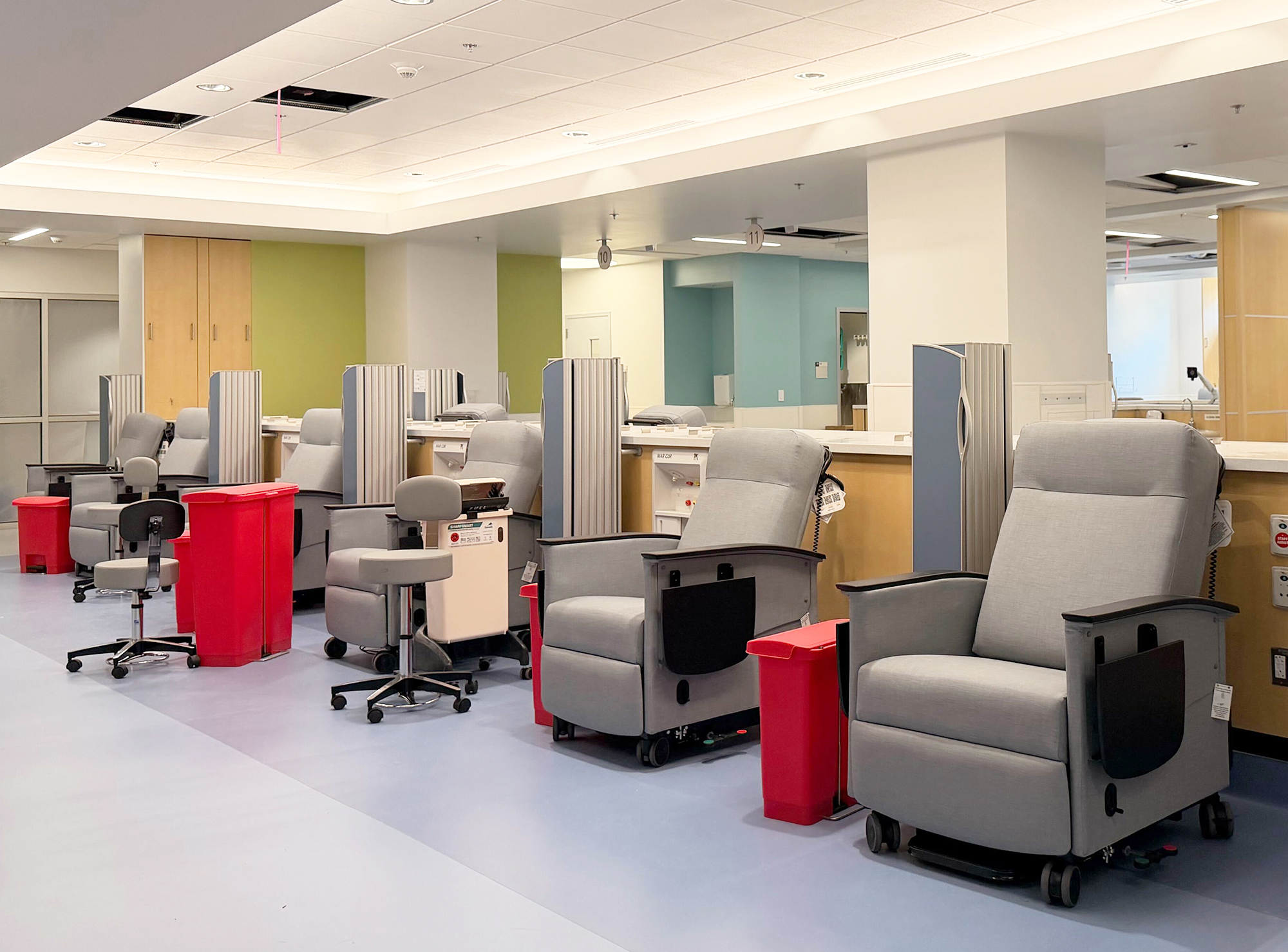
Silentia privacy screens are designed to be combined, repositioned, or reused across various spaces to provide long-term versatility and help maximize return on investment. The universal EasyClick connection allows screens to attach to different mounting methods in the same simple way, making it easy to reconfigure layouts or connect screens to one another as needs evolve. A solution that fits today and tomorrow keeps your care environment efficient and future-ready.

4. Repairable components for sustainable maintenance
A core function of Silentia privacy screens is that they are fully repairable. When equipment can be fixed instead of replaced, it stays in service longer, reduces waste, and lowers lifetime costs.
Silentia’s modular design includes replaceable panels, hinges, and components, allowing hospitals to repair and refresh screens as needed. This approach supports sustainability while ensuring reliable long-term performance—a hallmark of functional design that values longevity, responsibility, and operational efficiency.

5. Hard-surface panels that enhance dignity
A well-designed privacy screen should do more than divide space—it should contribute to smoother, safer interactions in the care environment.
Silentia’s hard-surface panels support hygiene while also serving practical, everyday functions. Caregivers can gently knock on the panel before entering a patient’s space, offering a courteous signal that preserves dignity and alerts patients to their presence.
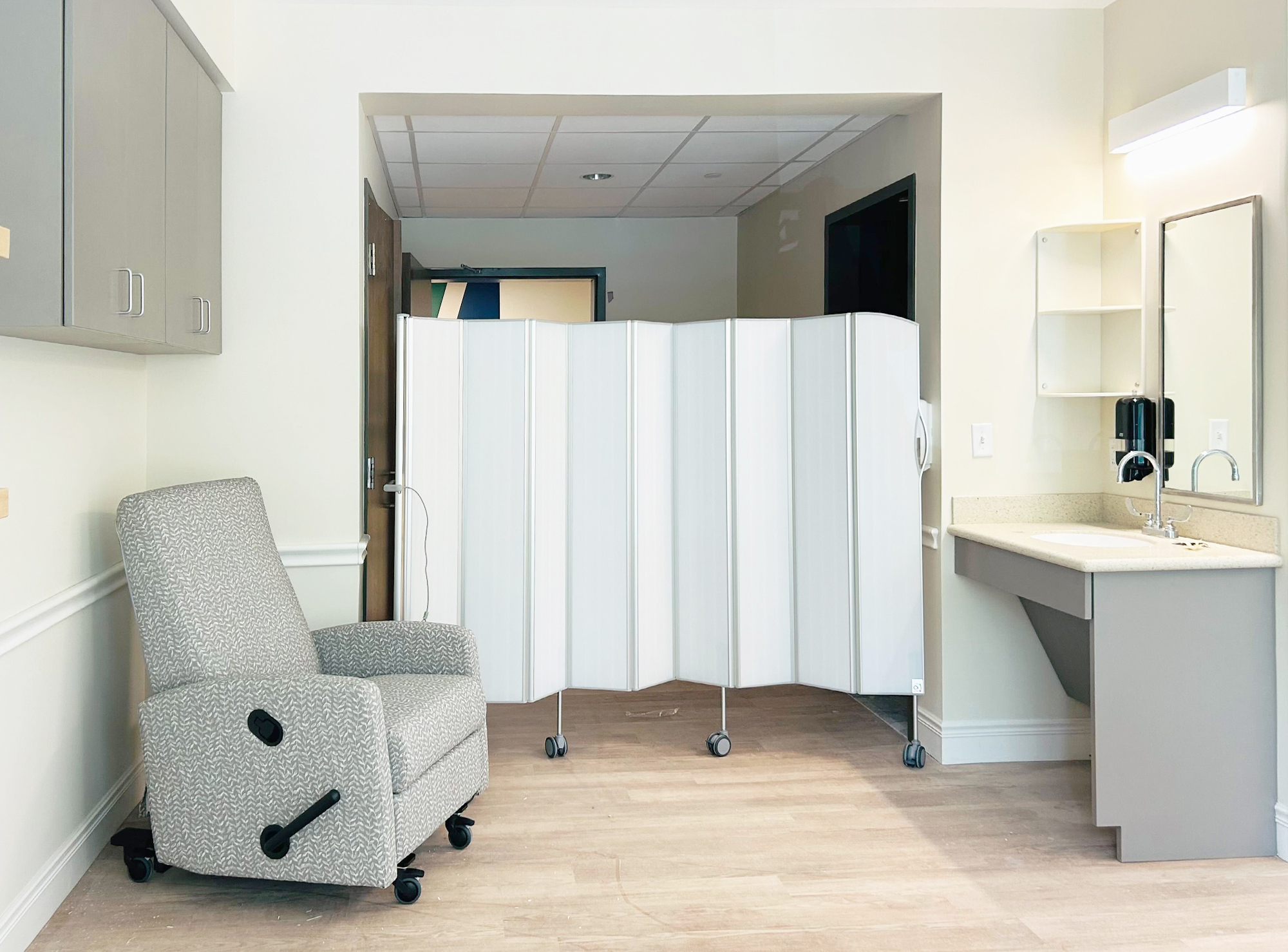
The sturdy construction also allows screens to act as flexible “doorway” solutions—similar to a saloon-style entry—helping define care zones without adding permanent structures.
6. Visual communication built into the design
Privacy screens can also function as effective communication tools, helping guide movement, reinforce protocols, and share essential information.
Silentia screens can be printed with directional cues, instructional signage, or hospital branding, making them valuable for wayfinding and clarity in fast-paced or shared areas. This built-in messaging supports efficient workflows and helps keep environments organized and intuitive.
Whiteboard bed-end screens extend these capabilities further, offering writable surfaces for noting care details, facilitating staff communication, updating patients, or sharing encouraging messages that support the overall experience.


7. Support for positive patient experiences
Visual design can do more than enhance appearance—it can support the emotional well-being of patients, especially children in pediatric settings where the environment may otherwise feel intimidating.
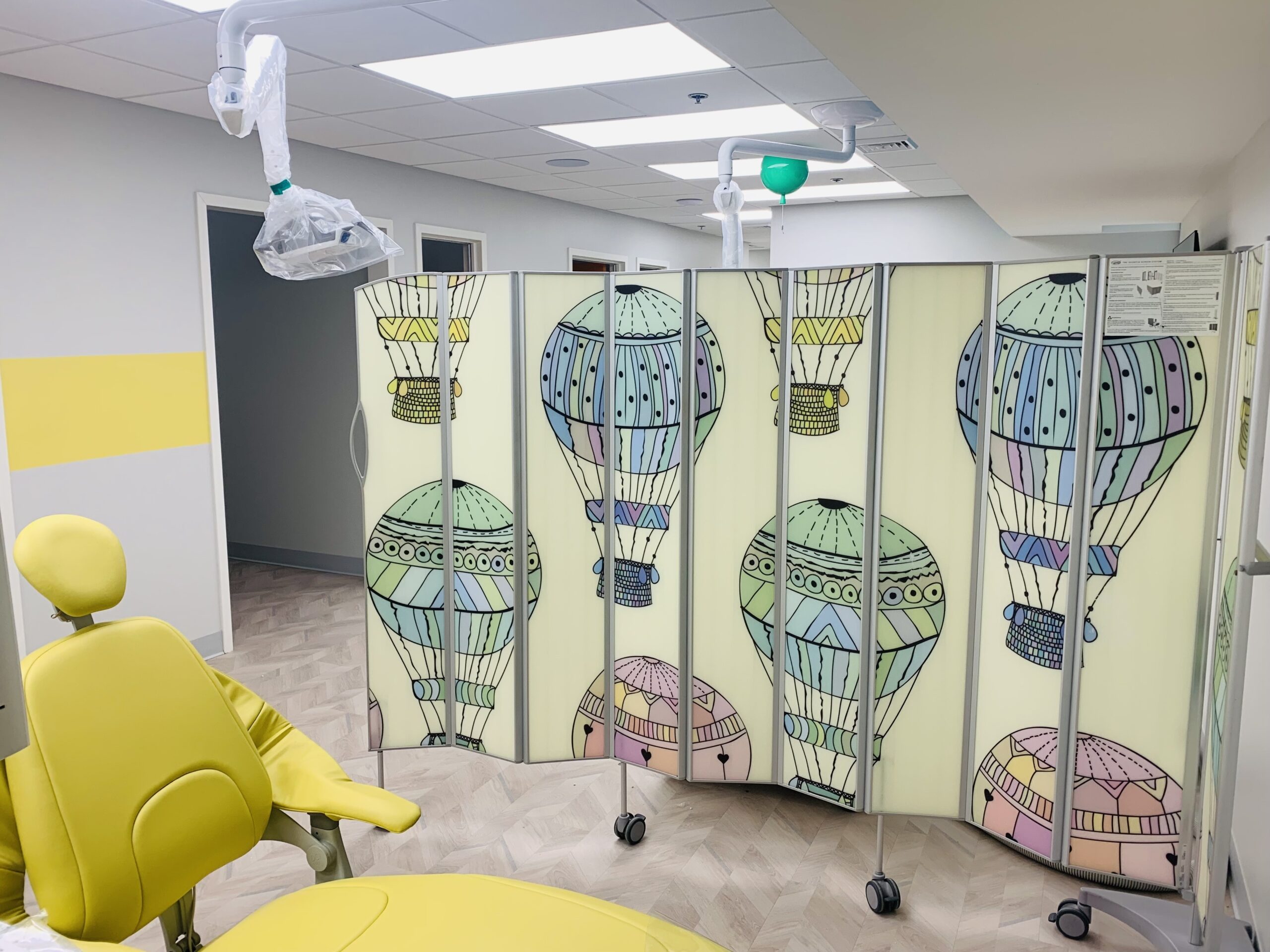
Privacy screens printed with calming or engaging imagery help ease anxiety before, during, and after medical procedures. Silentia design options, StoryPanels and PhotoPanels, provide canvases for bright, playful visuals that distract during procedures or help calm patients before and after anesthesia. When functional design is paired with thoughtful visual communication, the result is a space that feels safer, more personal, and more supportive of healing.


Functionality supports quality care
When you consider these features, it becomes clear that functional design is not just about form; it is about supporting people. From simplifying daily routines to enhancing patient comfort and safety, functional privacy solutions play a vital role in modern healthcare.
For more than 30 years, Silentia has designed and delivered solid-surface privacy screens that combine intuitive functionality with long-term value. Our modular system helps hospitals and care teams maintain hygiene, streamline workflows, and create patient-centered environments that work as beautifully as they look.
Want to learn more about choosing the right privacy solution? Check out our blog post: “7 questions to ask when selecting healthcare furniture and materials.”
Contact our team to learn more about these and other functional design features of the Silentia screen system.