Are you one of the many people who have stumbled upon Silentia privacy screens and thought, “I’ve been looking for something like this!” or “Where have you been all this time?” If so, you’re in good company. We recently exhibited at the 2026 ASHE Planning, Design, and Construction Summit & Expo, and many of the people we met on the trade show floor felt the same way.
The PDC Summit is the premier annual gathering in the U.S. for healthcare architects, interior designers, and hospital facilities and planning teams. It’s one of the best events for engaging with professionals who navigate the daily complexities of patient privacy, adaptable healthcare spaces, sustainability, and infection control — which is why Silentia made it a priority to exhibit for the second year in a row.
Silentia has been present in the U.S. for over a decade, proudly partnering with many of the country’s top-rated hospitals to deliver forward-thinking patient privacy solutions built for the demands of modern clinical environments.
This year’s Summit allowed us to reconnect with many of the hospitals and firms we already work with, while also introducing Silentia to professionals who were unfamiliar with our products. These conversations were valuable, and a clear pattern emerged: many attendees were asking the same questions.
We’ve gathered the most frequently asked questions here as a quick resource for anyone new to Silentia, our screen system, or our capabilities within planning, design, and construction.

1. What materials are your panels made of?
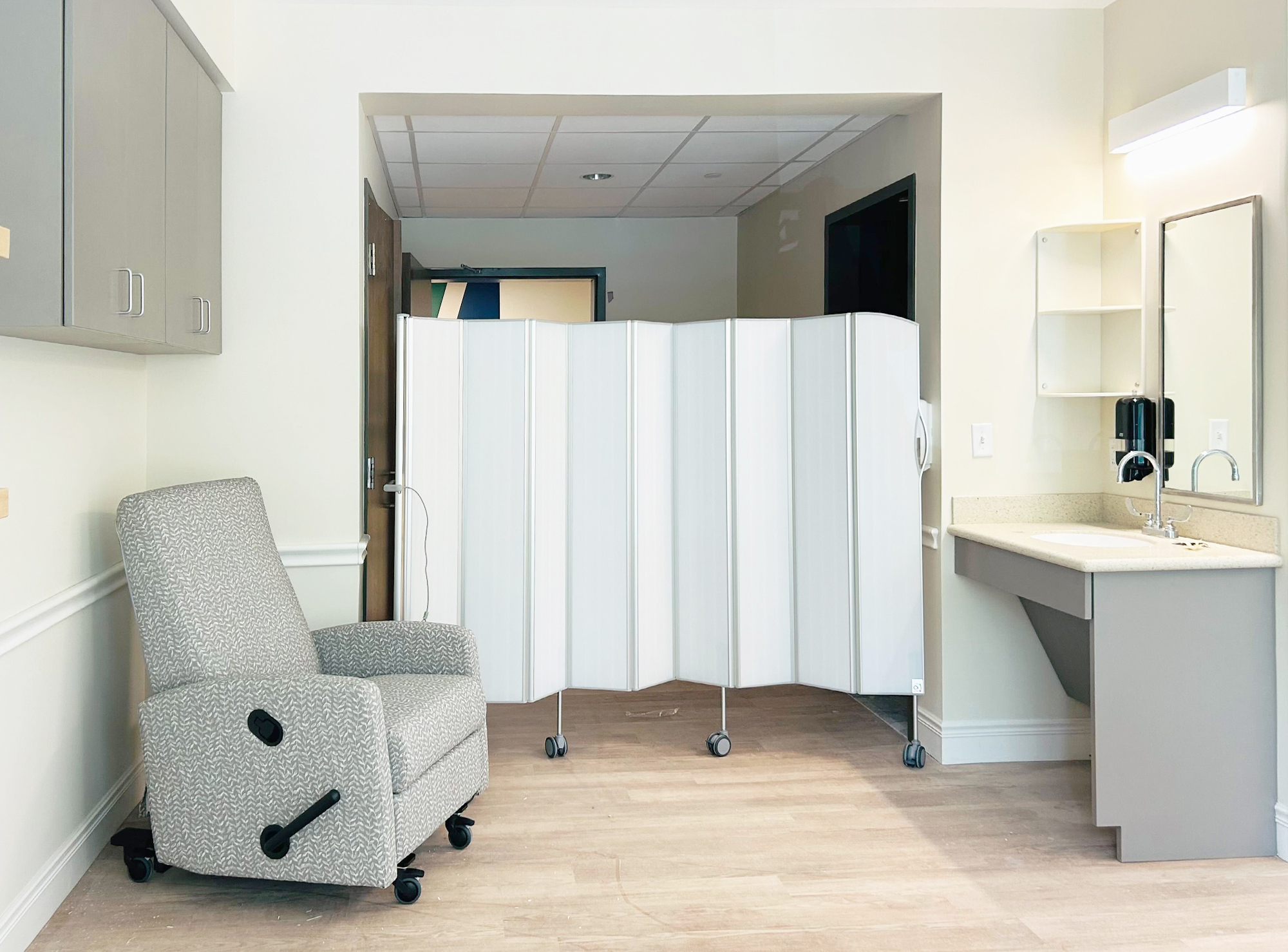
Silentia screens are available in two options: laminate panels and polycarbonate panels. Both are hard-surface, easy to wipe down, and built to hold up in demanding clinical environments.
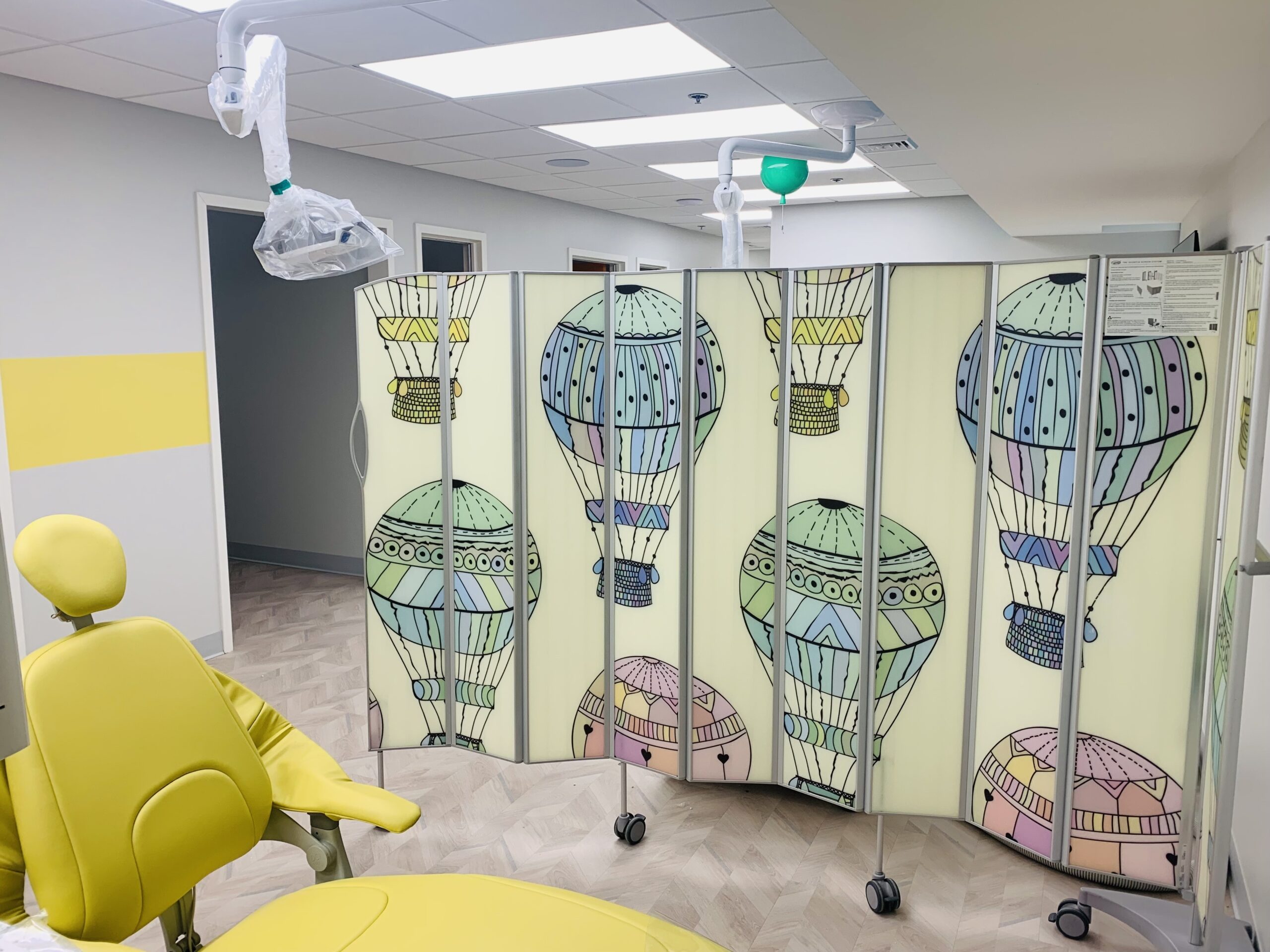
Laminate panels are available in our standard color palette or can be produced in custom colors, making them a reliable choice for facilities looking for a clean, consistent look that aligns with their environment or brand. Polycarbonate panels, also known as our Daylight panels, are semi-transparent, allowing natural light to pass through without sacrificing patient privacy. They are the panels on which we print imagery to make our designs appear especially bright and vibrant. For facilities interested in incorporating art or nature imagery into their spaces, Daylight panels are a compelling option.
The two panel types can also be combined for added visual appeal. Our “Daylight Duo” configuration alternates laminate and polycarbonate panels, while “Daylight Top” features laminate panels with a section of polycarbonate panels along the top. Both combinations give design teams additional flexibility to balance light, privacy, and aesthetics in a single screen system.
All other parts of the screens, including handles, trims, mounts, trolleys, wheels, and other small components, are made of either high-quality aluminum or plastic, designed to withstand frequent cleaning and daily wear in any healthcare environment.
2. Are Silentia screens mobile or wall-mounted?
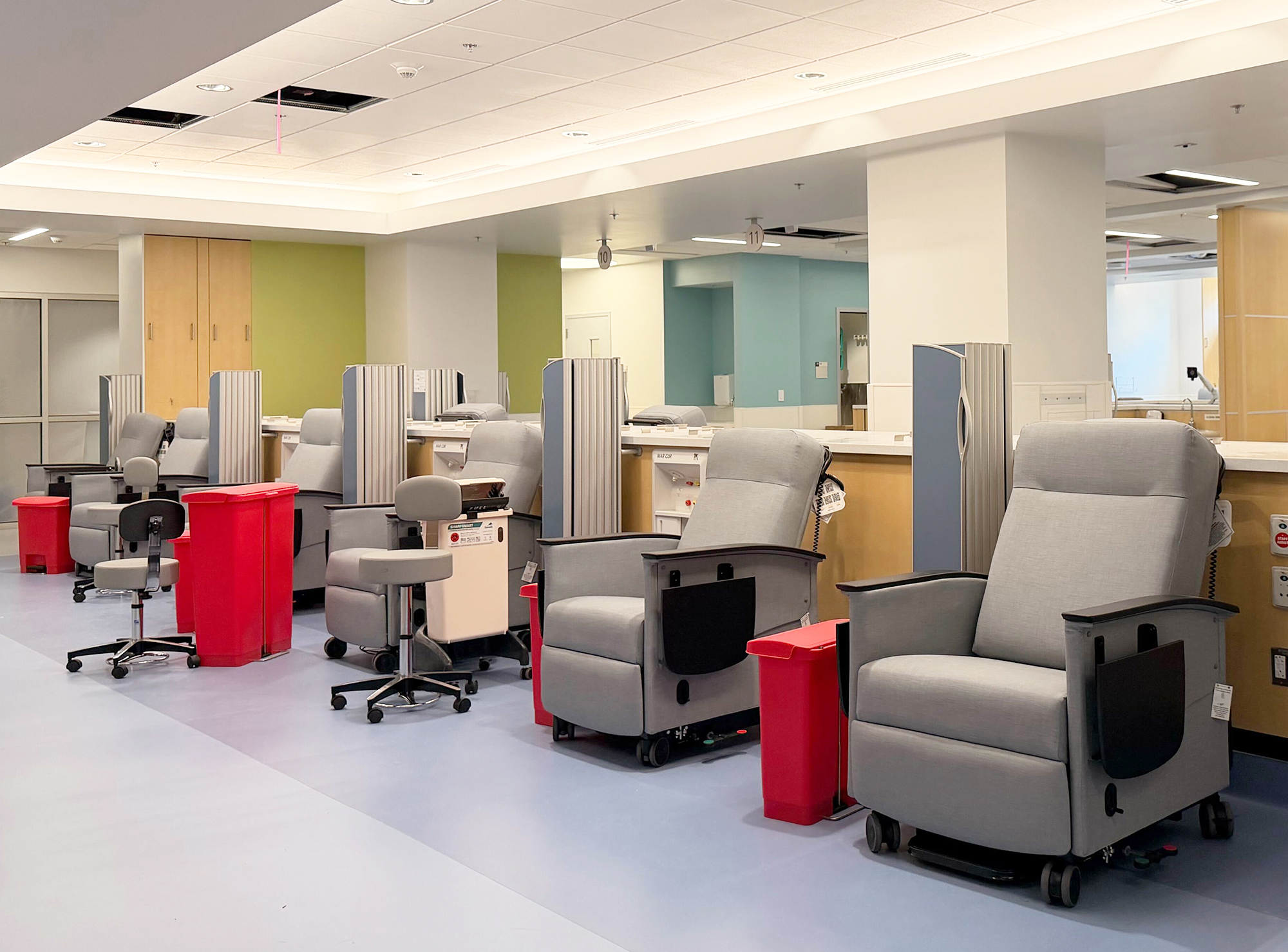
Well, both, but that’s not all. Silentia privacy screens can be mounted on a mobile trolley base, wall, headwall, medical rail, or floor pole, giving facilities the flexibility to choose what works best for each space. Mobile screens can be repositioned as needs evolve, making them well-suited for multi-use areas or spaces that see frequent change. Wall, rail, or floor pole-mounted options provide a more permanent, streamlined solution for dedicated patient bays and treatment areas.
The ability to mix and match configurations across a facility is something architects and planners tend to find particularly valuable. With the ability to connect and combine various screen types, a solution can be reconfigured as patient care needs change.

3. What planning and design services do you offer?
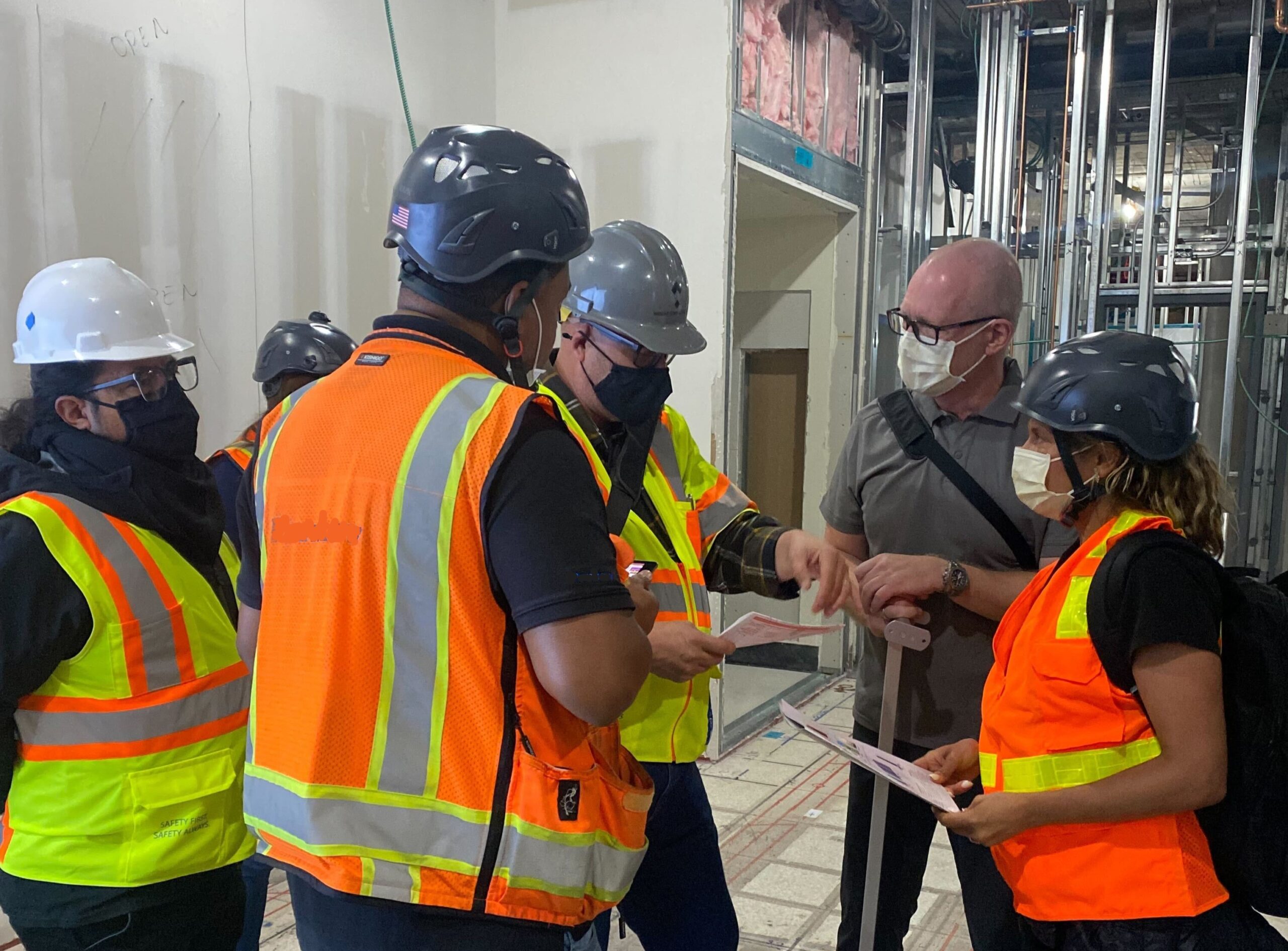
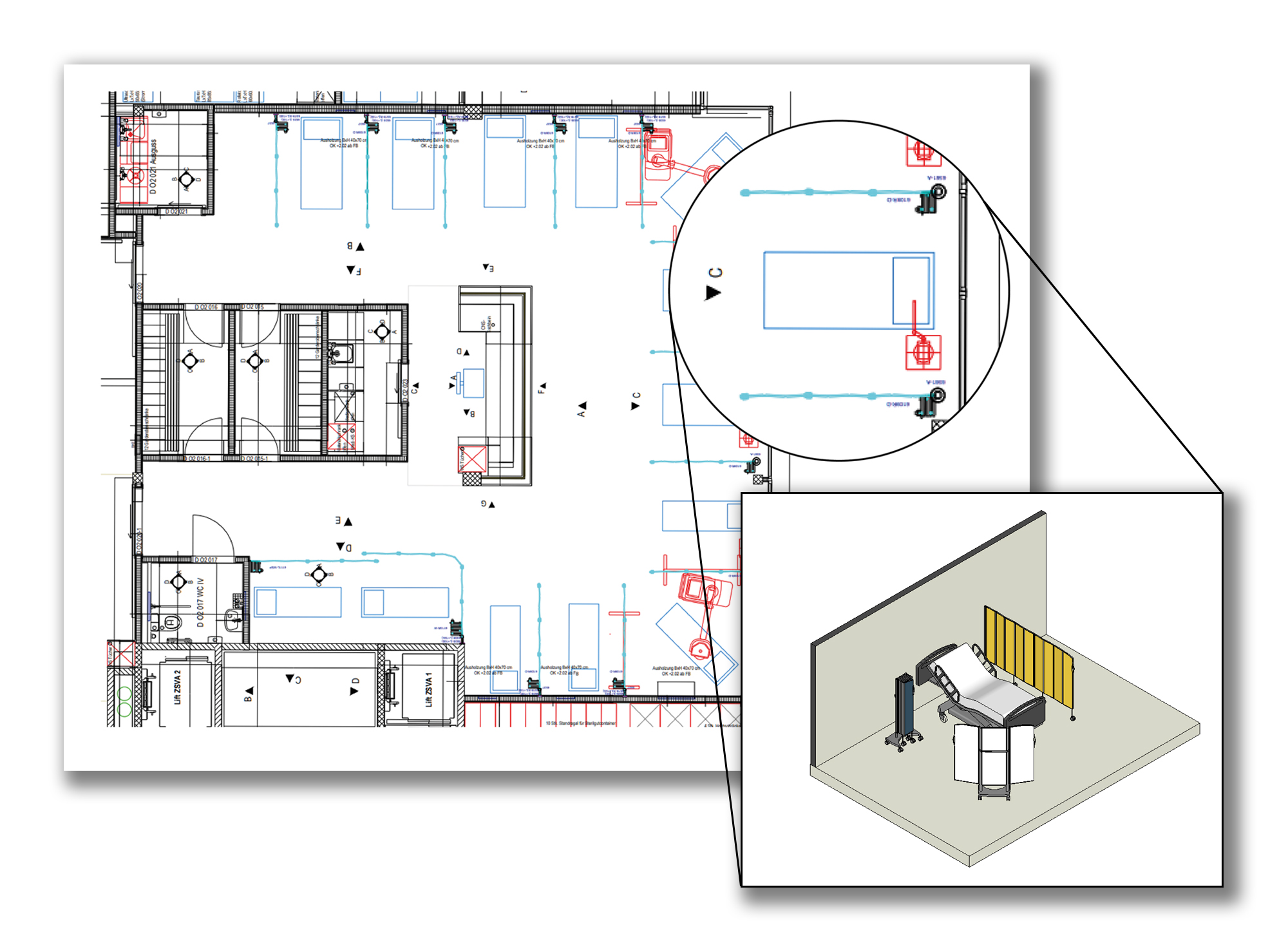
On the planning side, our team offers space planning consultations, site assessments and walkthroughs, product recommendations tailored to your specific environment, and CAD and other technical drawing capabilities to assist with designing a new facility or reconfiguring an existing one.
On the design side, Silentia screens are available in a wide range of colors and imagery, along with options for custom sizing, color matching, and branded or printed panels. For healthcare systems looking to maintain a cohesive aesthetic or incorporate wayfinding and brand identity into their spaces, we have the flexibility to support that vision.
4. Do you have design/BIM/Revit files for your products?
Yes, and this was among the most common questions we heard from architects and designers at our booth. Silentia’s BIM and Revit files are available as free downloads directly from our profile on BIMobject. Simply download and incorporate them into your project documentation from day one. Access our BIMobject profile.

5. Do you offer product presentations on-site or in person?
Silentia representatives are available for in-person or virtual presentations with architecture firms and hospital planning and facilities teams. It’s an effective way to communicate the needs of your specific project and to gain deeper insights about our screen system and how it’s designed to support long-term cost savings, infection prevention, and sustainability.
6. Do you offer proof-of-concept mock-ups?
Yes, we can facilitate on-site mock-ups. Experiencing a product in your actual space often changes the conversation, particularly in clinical environments where every detail carries weight, and many stakeholder groups may be involved.
For starters, we have an online configurator tool, called EasyScreenDesign, that lets you explore our products and design options as you create your own screen solution. Check out EasyScreenDesign.
We hope this gives you a helpful starting point, whether you’re encountering Silentia for the first time or revisiting us with a specific project in mind. The questions we heard at the PDC Summit reflect the kind of thoughtful, detail-oriented work that healthcare architects, designers, and facilities teams bring to every project, and we recognize the importance of being part of those conversations.
If you’d like to learn more or discuss an upcoming project, we’d welcome the opportunity to connect in person. Reach out to request a product presentation from our team.