
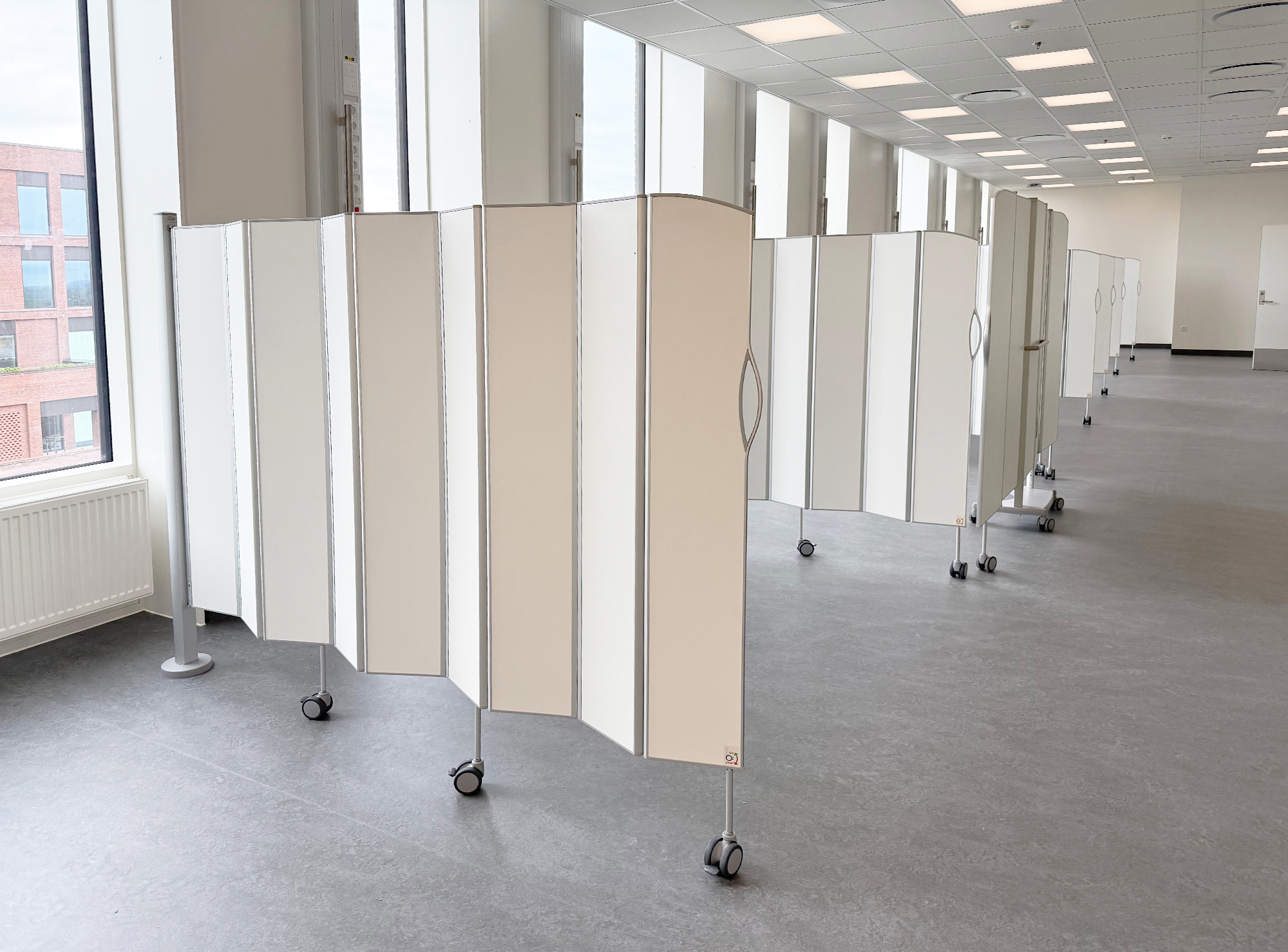
Good hospital design and strategic patient privacy start long before the first patient arrives. At Aalborg University Hospital, Silentia was engaged early in the planning process to help shape a hospital-wide privacy strategy aligned with each department’s goals for care, cleanliness, flexibility, and sustainability.
More than 300 Silentia screens were installed throughout the facility, delivering hygienic, adaptable, and environmentally responsible patient privacy through easy-to-maintain surfaces, flexible configurations, and a sustainable approach that extended the life of screens brought in from the previous facility.
Strategic planning and sustainable thinking
From the outset, Silentia worked as a strategic planning partner, developing privacy solutions tailored to the specific needs of each department. This included identifying and integrating screens from the previous facility into the new hospital, reducing waste while delivering cost savings.
Screens were positioned between beds in shared rooms and by doorways in smaller examination spaces. While the goal of patient privacy remained consistent, the variety of room layouts and clinical functions required thoughtful, customized solutions throughout.
Having supported the previous hospital for many years, Silentia brought valuable insight into both product performance and long-term use.
“We’ve supplied the old hospital for many years, so we had a close dialogue with the architects early on in this project. We helped define the needs, enabling us to select the right types of screens and integrate previously delivered ones into the new hospital,” says Henrik Fribo-Søndergaard, Managing Director of Silentia Denmark.
Designed for cleanliness
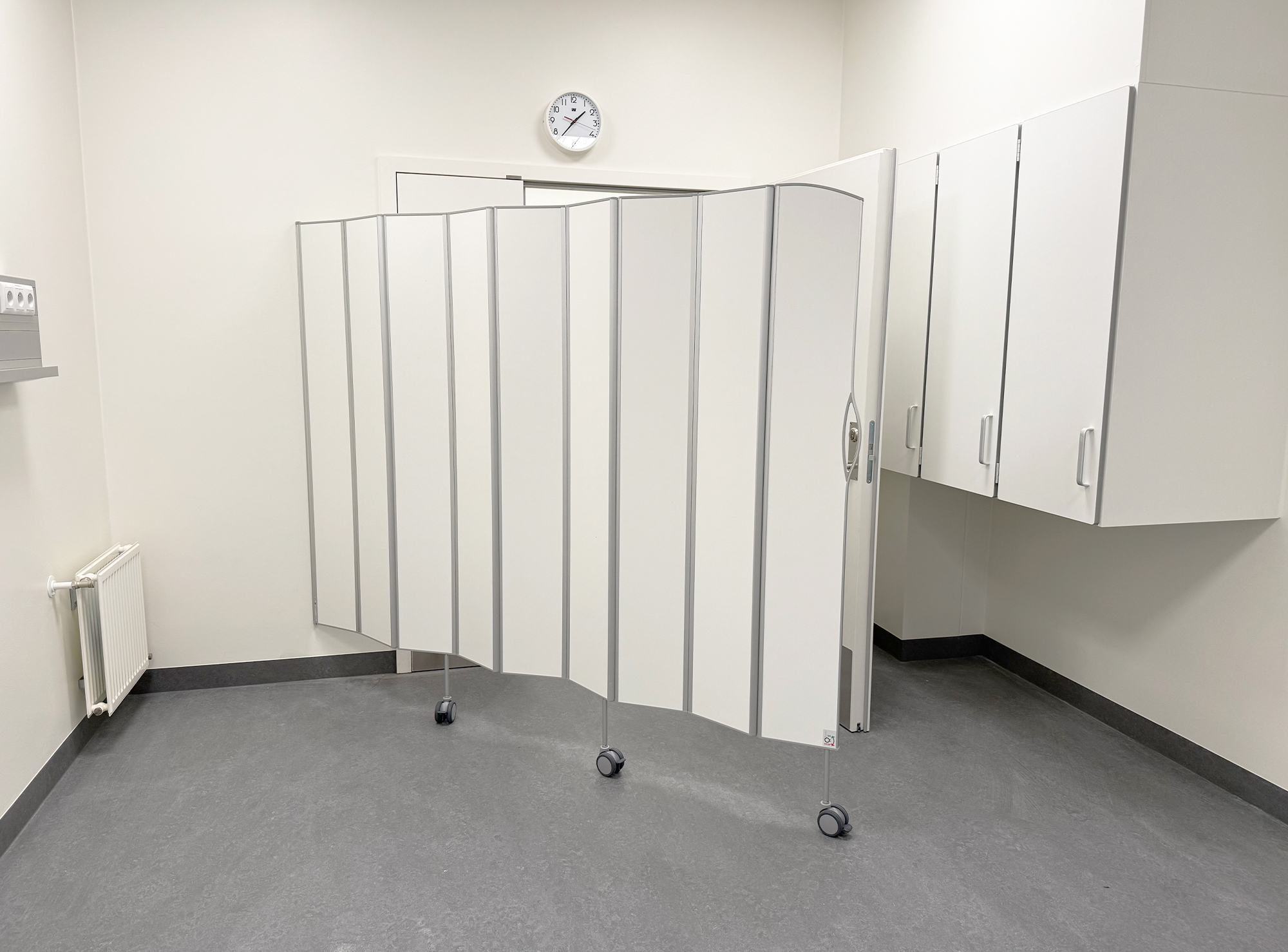
Aalborg University Hospital selected Silentia screens in part for their ability to support consistent, high hygiene standards in a busy clinical environment. Unlike textile curtains that require removal and laundering, the screens are designed to be cleaned frequently in place, helping staff maintain hygiene without disrupting workflows or taking rooms out of service.
Their smooth, non-porous surfaces allow for fast, effective disinfection using standard hospital cleaning protocols. With no fabrics to absorb contaminants and no handling required for removal or replacement, the screens help reduce the risk of cross-contamination while also minimizing the time, water, and energy typically associated with curtain maintenance.
This approach supports both infection control efforts and day-to-day efficiency, giving staff a reliable, low-maintenance solution that aligns with the hospital’s broader cleanliness and sustainability goals.
A system of solutions
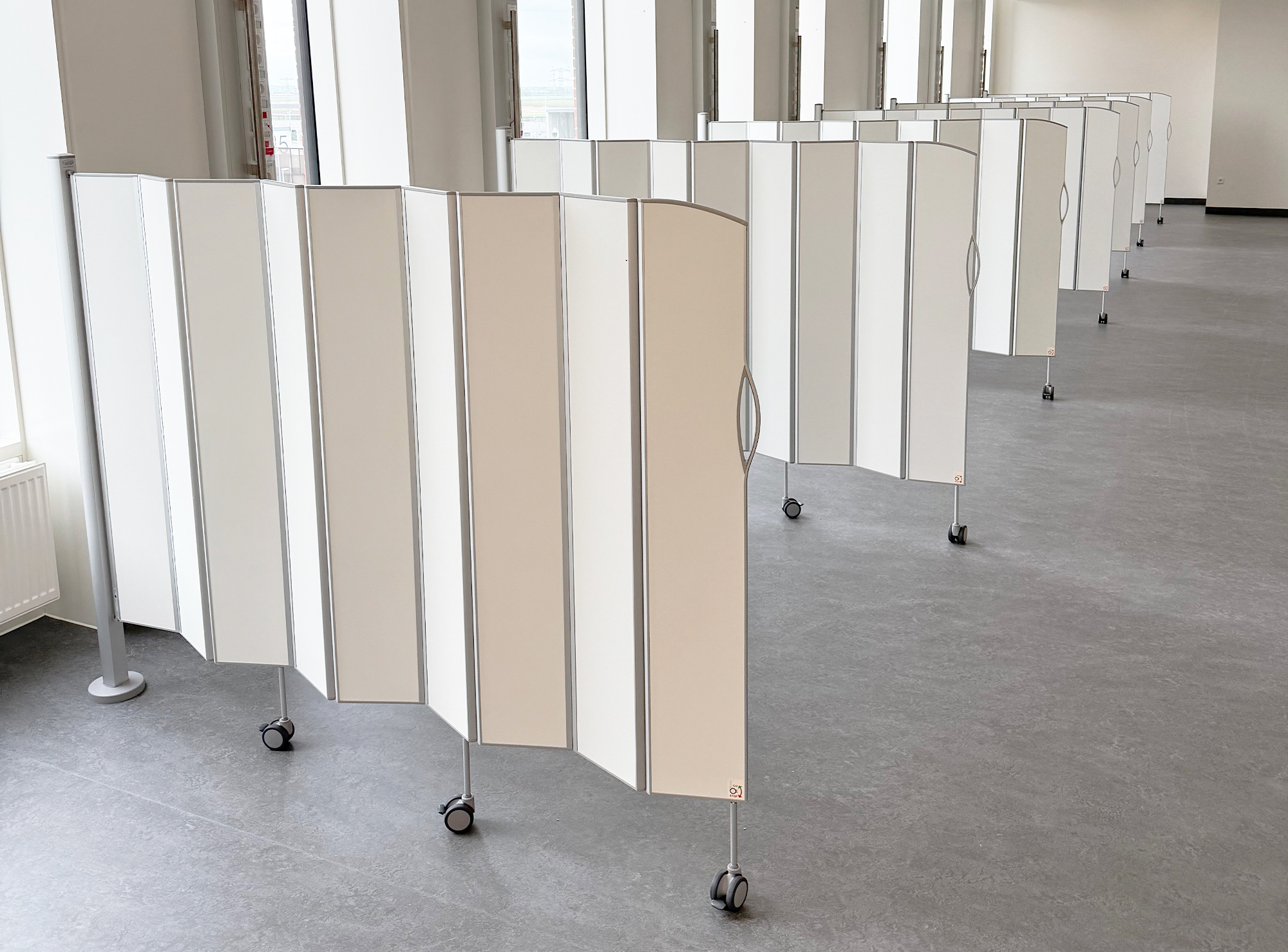
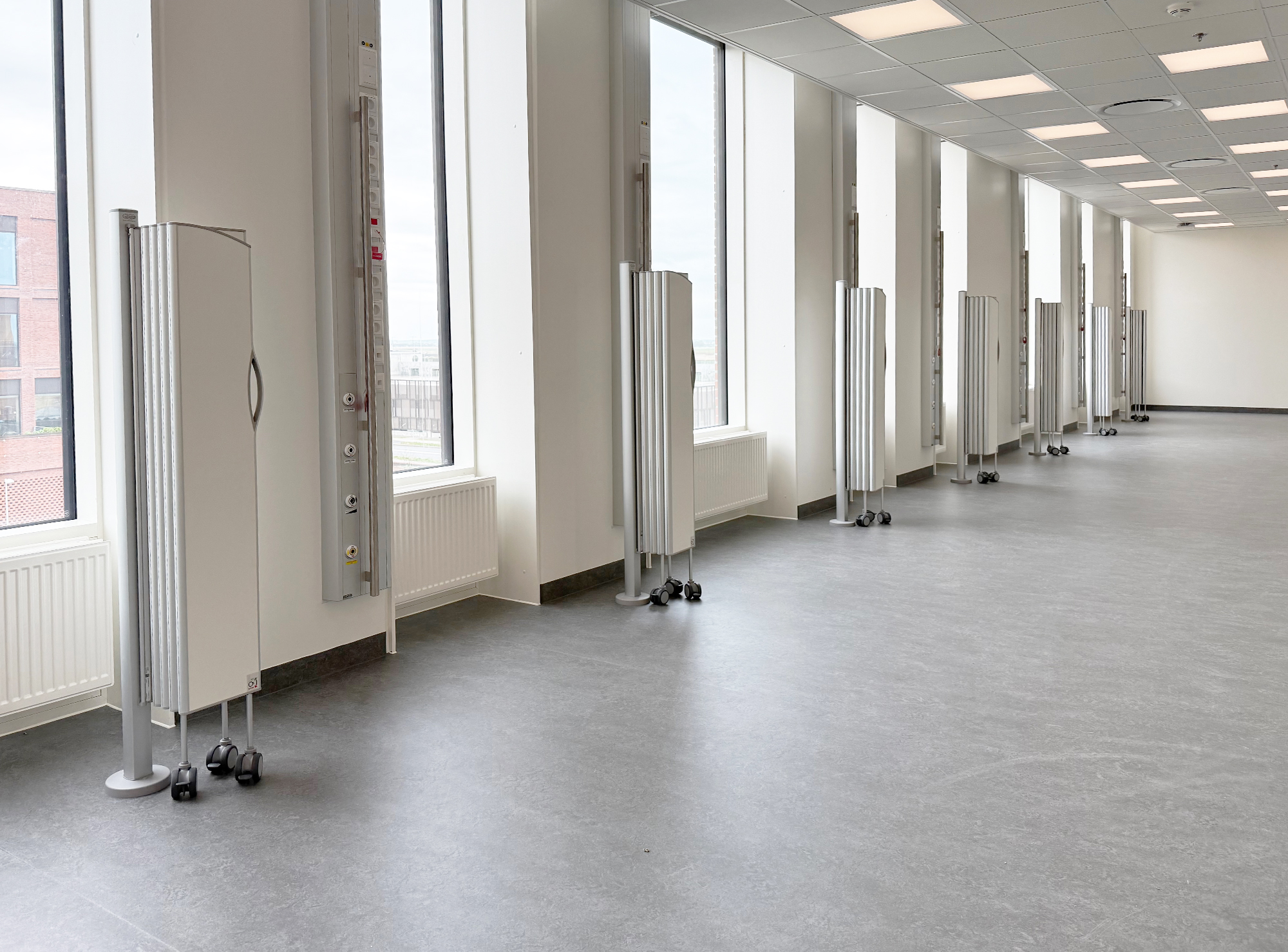
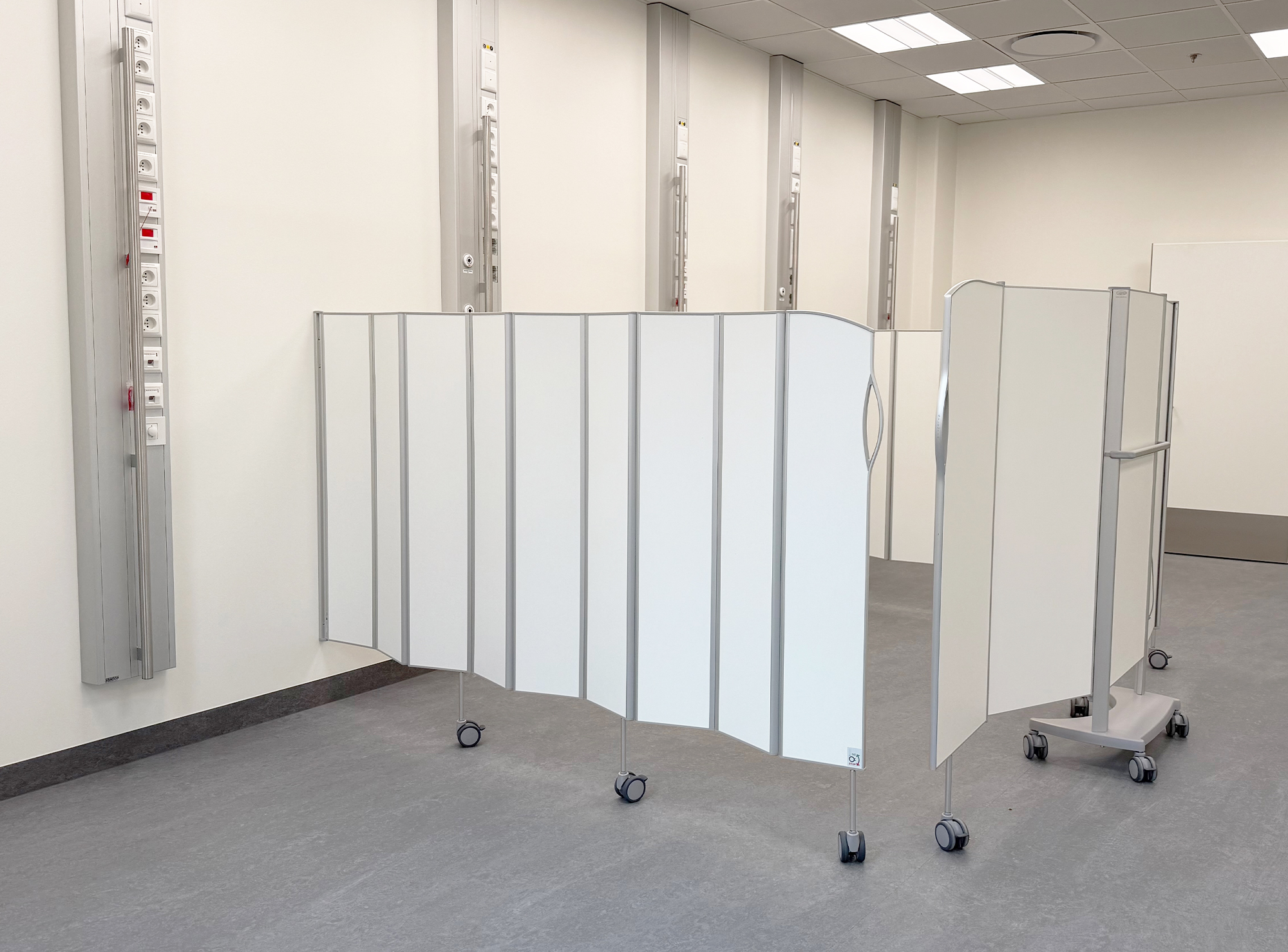
Flexibility was a key priority, reflected in the wide range of screen types used throughout the hospital. The solutions accommodate complex room layouts, including spaces with ceiling-mounted equipment such as lifts and lighting that must move freely between beds.
Screen types and dimensions were selected based on the room function. Folding wall-mounted screens, fixed wall-mounted options, and floor-mounted post screens were all used across the facility. In recovery areas, lower screens allowed staff to maintain visibility, while full-height screens in other spaces provided privacy even from a standing position.
Many rooms also feature mobile, freestanding bed-end screens. These five-section units can be configured to fully enclose the patient space, with the outer panel functioning as a door for easy access.
“We’ve delivered folding screens in various dimensions and formats tailored to each department. What makes our system unique is the breadth of solutions available, allowing us to meet the needs of any room layout,” says Henrik Fribo-Søndergaard.
From planning to installation
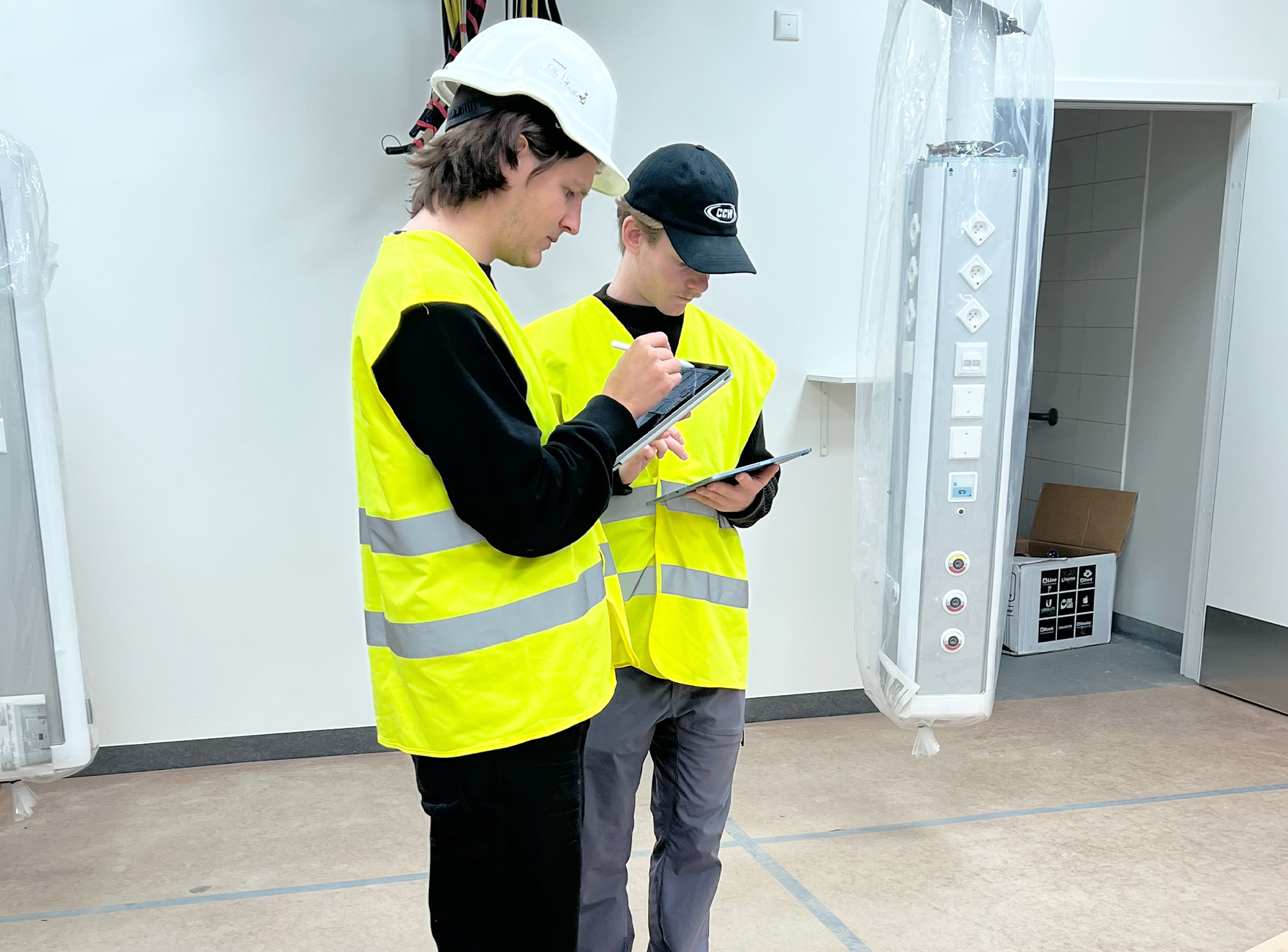
Installing screens across a hospital of this scale requires careful coordination within a complex construction process. Through close collaboration with project stakeholders, Silentia ensured all systems were delivered and installed in time for the hospital’s opening.
“It’s fantastic to stand here in a move-in-ready hospital and see the result of a great collaboration. We’ve been involved in advisory services and solution selection to production and logistics, including relocating reused screens from the old hospital,” says Henrik Fribo-Søndergaard.
The Aalborg University Hospital project demonstrates the value of early collaboration. With Silentia involved from the advisory phase, drawings were reviewed, specifications were refined, and ongoing dialogue was maintained with both the project team and clinical staff.
“It’s a great advantage that we were involved from the start. This collaboration made it easier to select the right solutions, improving working conditions for staff and hygiene for patients,” says Leo Göranson, Product Design Engineer.
Is your patient privacy future-ready?
The Aalborg University Hospital project proves that strategic, early collaboration and tailored privacy solutions can transform patient care. Silentia’s screen system enhances efficiency, strengthens hygiene, and advances sustainability goals.
Learn more about how SIlentia’s future-ready solutions adapt seamlessly to evolving hospital needs, maintaining reliable, hygienic privacy and supporting both patients and staff. Contact our team of planning experts!

